
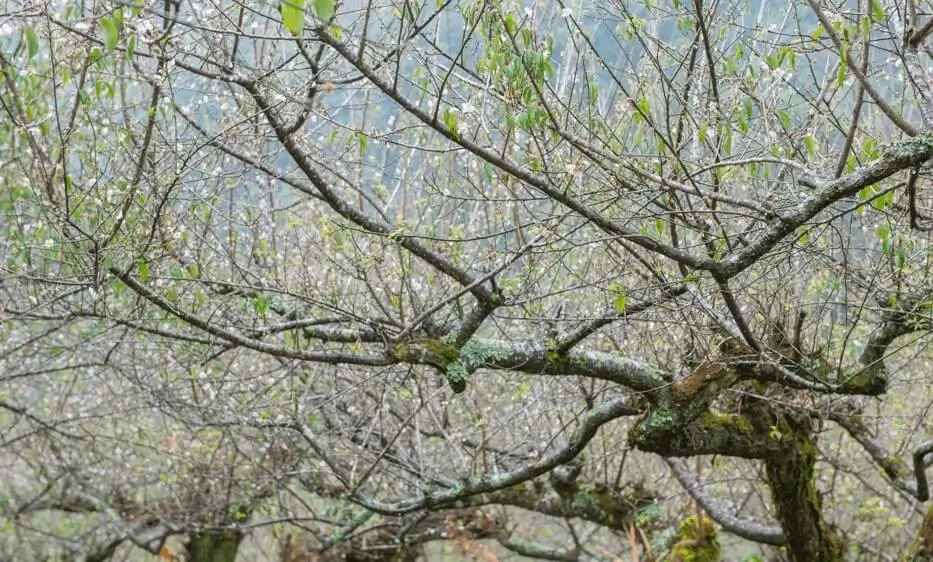
Excessive rainfall may seem beneficial, but for container-grown fruit trees, it can quickly lead to serious problems. Poor drainage, waterlogged soil, and reduced oxygen levels can weaken roots and trigger stress symptoms that affect growth and fruit production. Understanding why fruit trees suffer after rainy days—and how to fix these issues—will help you protect your plants and keep them thriving in any weather.
Why Fruit Trees Suffering After Rainy Days Is a Big Issue in Containers
When fruit trees are planted in the ground, excess rain can drain away through deeper soil layers. Containers don’t have that luxury.
Limited Drainage = High Risk
In pots, water has nowhere to go except out of the drainage holes. If drainage is slow or blocked, roots sit in waterlogged soil for days. This leads to:
- Oxygen-starved roots
- Root rot and fungal diseases
- Poor nutrient uptake
- Weak growth and leaf drop
This problem becomes even worse if you’re already dealing with watering mistakes in potted fruit trees, such as frequent shallow watering before the rain even starts.
Rain Changes Soil Chemistry
Prolonged rainfall doesn’t just add water—it alters the soil environment:
- Flushes nutrients out of the potting mix
- Compacts fine particles, reducing airflow
- Encourages harmful microbes in soggy soil
If you’ve noticed white crusts or strange residue on the soil surface after cycles of rain and sun, it may be related to salt buildup in container soil, which further stresses roots.
Common Signs Your Fruit Trees Are Suffering After Rainy Days
Recognizing symptoms early makes recovery much easier. Watch closely for these warning signs:
- Yellowing leaves, especially on lower branches
- Wilting despite wet soil (a classic sign of root suffocation)
- Leaf drop shortly after rain
- Slow or stalled growth
- Mushy, sour-smelling soil
- Blackened or soft roots (if you check the root ball)
Many beginners mistake these symptoms for drought stress and add even more water—making the situation worse. Understanding how to read your soil moisture correctly is crucial, especially if you’re still learning how often to water fruit trees in pots.
Step-by-Step Solutions for Fruit Trees Suffering After Rainy Days
1. Stop All Manual Watering Immediately
This may sound obvious, but it’s the most common mistake. During and after extended rain:
- Do not water on a schedule
- Water only when the top 2–3 inches of soil are dry
- Use your finger or a moisture meter—don’t guess
Rain often saturates the lower half of the pot long after the surface looks dry.
2. Improve Drainage Right Away
If your tree is already stressed, drainage is your top priority.
Quick fixes:
- Elevate pots on feet or bricks to let water escape
- Clear blocked drainage holes
- Tilt containers slightly during heavy rain
Long-term fix:
Switch to containers designed for fruit trees—deep pots with multiple drainage holes and breathable materials.
3. Check the Soil Structure
Heavy rain exposes poor soil mixes very quickly. If the soil feels muddy, sticky, or compacted, it’s holding too much water.
A high-quality fruit tree potting mix should:
- Drain fast but retain light moisture
- Contain coarse materials like bark or perlite
- Never feel like garden soil when wet
If your mix stays soggy for days, consider repotting once the weather improves. This also helps prevent recurring water stress in container-grown fruit trees.
4. Prune Lightly to Reduce Stress
Rainy conditions reduce oxygen to the roots, limiting how much water the tree can process. Light pruning helps balance the system.
- Remove dead or yellowing leaves
- Thin overcrowded branches
- Avoid heavy pruning during active stress
This reduces transpiration demand and helps the tree recover faster.
5. Protect Containers During Extended Rain
For small-space gardeners, mobility is an advantage.
- Move pots under eaves, balconies, or pergolas
- Use temporary rain shelters or clear plastic covers
- Group containers where runoff doesn’t pool
Even partial protection during multi-day storms can make a dramatic difference.
6. Rebuild Root Health After the Rain
Once the soil begins to dry:
- Apply a mild, balanced liquid fertilizer
- Use compost tea or microbial inoculants
- Avoid strong nitrogen until new growth resumes
Healthy roots recover faster and are less likely to rot after future rain events.
Common Beginner Mistakes That Make Rain Damage Worse
Overwatering “Just in Case”
Many gardeners continue watering out of habit. This is especially harmful after rain and often leads to issues like roots rotting while leaves look dry.
Using Decorative Pots Without Drainage
Beautiful containers without holes are one of the biggest silent killers of fruit trees. Always use them as cache pots, not planting containers.
Ignoring Pot Size
Small pots fill with water faster and dry unevenly. Undersized containers are a major reason fruit trees struggle after heavy rain.
Best Tools, Containers, and Care Tips for Rainy Climates
Ideal Containers for Rain-Prone Areas
Look for:
- Tall, deep containers
- Multiple drainage holes
- Breathable materials (fabric, terracotta, wood)
Soil Additives That Improve Drainage
Mix these into your potting soil:
- Perlite or pumice
- Pine bark fines
- Coarse sand (in moderation)
These materials prevent compaction and improve oxygen flow.
Smart Placement Tips
- Avoid low spots where rainwater collects
- Ensure airflow around pots
- Rotate containers occasionally for even drying
If your area receives frequent rain, adjusting placement is just as important as adjusting watering habits.
FAQ: Fruit Trees Suffering After Rainy Days
Why do my fruit trees look wilted after heavy rain?
Because roots may be oxygen-starved. Wet soil can suffocate roots, making leaves wilt even though moisture is abundant.
Can too much rain kill fruit trees in pots?
Yes. Prolonged waterlogging leads to root rot, which can permanently damage or kill container fruit trees if not corrected.
Should I repot a fruit tree after too much rain?
If soil stays soggy for days or smells bad, repotting into fresh, well-draining mix is often the best solution once conditions dry out.
How long should I wait to water after rainy days?
Wait until the top few inches of soil are dry and the pot feels lighter. Never water based on a fixed schedule after rain.
Are some fruit trees more sensitive to excess rain?
Yes. Citrus, figs, and stone fruits are particularly sensitive to poor drainage in containers.
Conclusion: Helping Fruit Trees Recover After Rainy Days
When fruit trees are suffering after rainy days, the problem isn’t the rain itself—it’s how containers handle excess water. By improving drainage, adjusting watering habits, using the right soil, and protecting pots during extended storms, you can prevent most rain-related damage before it starts.
Your next steps:
- Inspect drainage on all containers
- Adjust watering routines immediately after rain
- Upgrade soil and pots where needed
- Monitor roots and leaves closely for early signs of stress
With these practical changes, your container fruit trees can thrive—even during the rainiest seasons.