
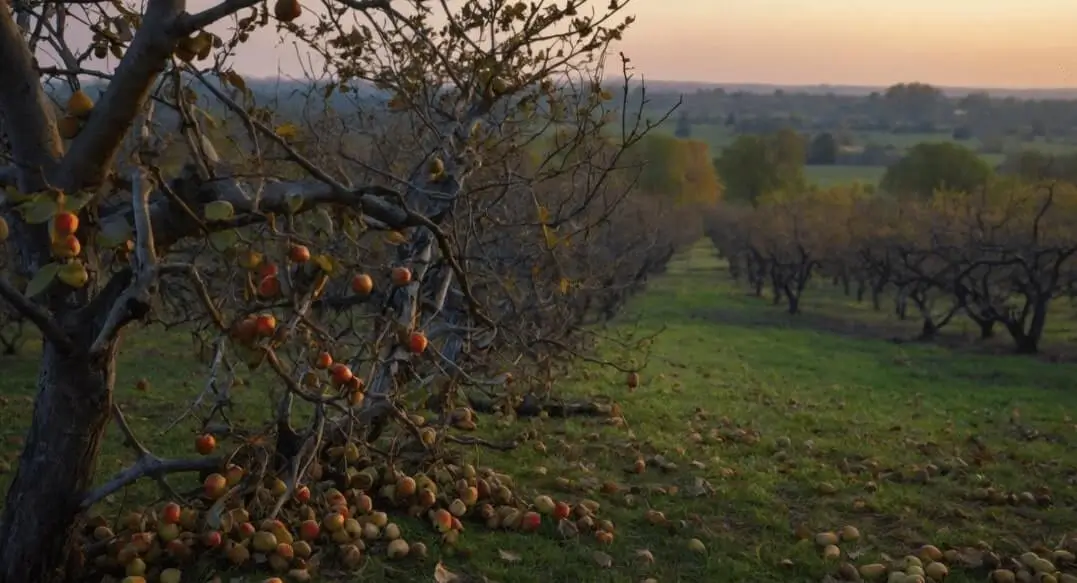
Fruit trees growing in containers are convenient and productive—but they can sometimes develop a frustrating problem: leaning or even falling over. This issue not only affects the tree’s appearance but can also damage roots, reduce fruit production, and weaken overall health. Whether it’s caused by poor root development, improper potting, wind exposure, or uneven growth, identifying the root cause is key. In this guide, you’ll discover why potted fruit trees lean or topple, how to fix them effectively, and proven strategies to keep your trees upright, stable, and thriving.
When fruit trees leaning or falling over is ignored, several long-term problems can develop:
- Root instability: Repeated tipping loosens roots and prevents proper anchoring
- Reduced growth: Stressed roots struggle to absorb water and nutrients
- Poor fruit production: Unstable trees prioritize survival over fruiting
- Structural damage: Bent trunks and snapped branches can become permanent
This issue is especially common with fast-growing fruit trees, top-heavy varieties, and trees grown on balconies, rooftops, or patios. If you’re growing fruit in pots, learning how to stabilize your trees is just as important as watering or feeding them.
Common Reasons Fruit Trees Leaning or Falling Over
Understanding the cause is the key to a permanent fix. Most cases fall into one (or more) of the categories below.
1. Pot Size Is Too Small
A container that’s too narrow or shallow simply can’t support a growing fruit tree. As the canopy grows, the weight above ground exceeds the stability below.
Signs this is the problem:
- Tree tips easily when touched
- Roots circle tightly inside the pot
- Water drains too fast or too slow
If you’ve noticed stunted growth along with instability, it may also be related to restricted roots. You may want to review signs your potted fruit tree has outgrown its container to confirm.
2. Lightweight or Poor Soil Mix
Using soil that’s too light (or mostly peat/coco coir) can cause the root ball to shift inside the pot. Over time, gravity and wind slowly pull the tree to one side.
Good container fruit tree soil should:
- Drain well
- Hold moisture evenly
- Have enough weight to anchor roots
If your soil stays soggy or collapses when watered, it may also increase the risk of root problems. This is often connected with root rot in potted fruit trees, which can weaken stability even further.
3. Uneven Root Development
Roots don’t always grow evenly — especially if the tree leaned early on. When most roots develop on one side, the tree becomes permanently unbalanced.
This often happens when:
- Trees are planted slightly off-center
- Pots are kept against walls with light from one side
- Trees aren’t rotated regularly
Uneven roots can also explain curling leaves or weak growth, which may appear before the tree actually tips.
4. Wind Exposure
Balconies, rooftops, and open patios act like wind tunnels. Even moderate wind can push against a leafy canopy and slowly loosen the root ball.
High-risk situations include:
- Upper floors
- Coastal areas
- Rooftop gardens
- Corner balconies
5. Top-Heavy Growth or Poor Pruning
A tall, leafy canopy with little structural pruning raises the center of gravity. This is extremely common in young fruit trees that haven’t been trained yet.
If your tree looks healthy but keeps falling over, excess top growth may be the real issue — especially if combined with rapid vertical growth without branching.
Step-by-Step Solutions to Fix Fruit Trees Leaning or Falling Over
Step 1: Check and Upgrade the Container
For most container fruit trees:
- Minimum pot size: 15–25 gallons (60–95 liters)
- Diameter matters more than depth for stability
- Heavy materials (ceramic, thick plastic, fabric with weight) are best
If your tree is already mature, repot during the dormant season to avoid shock.
Step 2: Use a Stable, Balanced Soil Mix
An ideal mix includes:
- High-quality compost
- Aged bark or wood chips
- Perlite or pumice (moderate amount)
- Garden soil or mineral-based component for weight
Avoid ultra-light mixes designed for flowers or seedlings.
Step 3: Reposition and Replant Correctly
When repotting or correcting lean:
- Remove the tree gently
- Loosen circling roots
- Center the trunk vertically
- Firm the soil evenly around the root ball
Do not bury the trunk deeper than before — this can cause rot and weaken the base.
Step 4: Stake the Tree (Temporary Support)
Staking is helpful, but only when done correctly:
- Use 1–2 stakes, not tight ties
- Allow slight movement (this strengthens roots)
- Remove stakes after 6–12 months
Over-staking can make trees weaker in the long run.
Step 5: Prune to Reduce Top Weight
Light structural pruning can dramatically improve stability:
- Remove long vertical shoots
- Balance left and right sides
- Encourage branching, not height
This also improves airflow and fruiting over time.
Step 6: Improve Placement and Wind Protection
Simple adjustments help a lot:
- Move pots closer to walls (but rotate regularly)
- Use wind screens or lattice panels
- Group containers together for mutual protection
If your tree also shows stress symptoms like wilting or leaf drop, check whether watering issues are contributing to overall weakness.
Tools, Containers, and Care Tips That Improve Stability
Best Containers for Preventing Tipping
- Wide-bottom pots
- Fabric grow bags placed inside heavier outer pots
- Raised containers with weighted bases
Useful Tools
- Soft tree ties (not wire)
- Bamboo or fiberglass stakes
- Pot feet (for drainage without wobble)
Ongoing Care Tips
- Rotate pots monthly for even growth
- Check soil firmness after heavy rain
- Adjust staking as the tree grows
Stability problems often appear alongside other growth issues. If your tree looks weak overall, reviewing common fruit tree growth problems in containers can help you spot the full picture.
Common Mistakes Beginners Make
- Choosing pots based on looks instead of stability
- Using only lightweight potting mix
- Ignoring early leaning signs
- Staking too tightly or permanently
- Letting trees grow tall too fast
These mistakes don’t just cause fruit trees leaning or falling over — they can shorten the life of the tree.
Frequently Asked Questions (FAQ)
Why is my fruit tree leaning even though the pot is big?
The soil may be too light, roots may be uneven, or the canopy may be unbalanced. Pot size alone doesn’t guarantee stability.
Can I fix a leaning fruit tree without repotting?
Yes, if the lean is mild. Re-centering, firming soil, pruning, and staking can often solve early-stage issues.
Should I add rocks at the bottom of the pot?
No. This doesn’t improve drainage and can worsen stability. Focus on proper soil mix and container width instead.
How long should I keep a fruit tree staked?
Usually 6–12 months. The goal is to help roots establish, not to permanently support the tree.
Are some fruit trees more likely to fall over?
Yes. Figs, citrus, peaches, and fast-growing trees are more prone to becoming top-heavy in containers.
Conclusion: Keep Your Container Fruit Trees Upright and Productive
Fruit trees leaning or falling over is a clear sign that something in the container setup needs adjustment — but it’s rarely a permanent problem. By choosing the right container, using a balanced soil mix, managing growth through pruning, and providing temporary support when needed, you can restore stability and prevent future tipping.
Your next steps:
- Inspect your pots and soil
- Correct any lean early
- Adjust pruning and placement
- Monitor after wind or heavy growth
Stable trees grow stronger roots, produce better fruit, and live longer — even in small spaces. With the right approach, your container fruit trees can stay upright, healthy, and productive for years to come.