
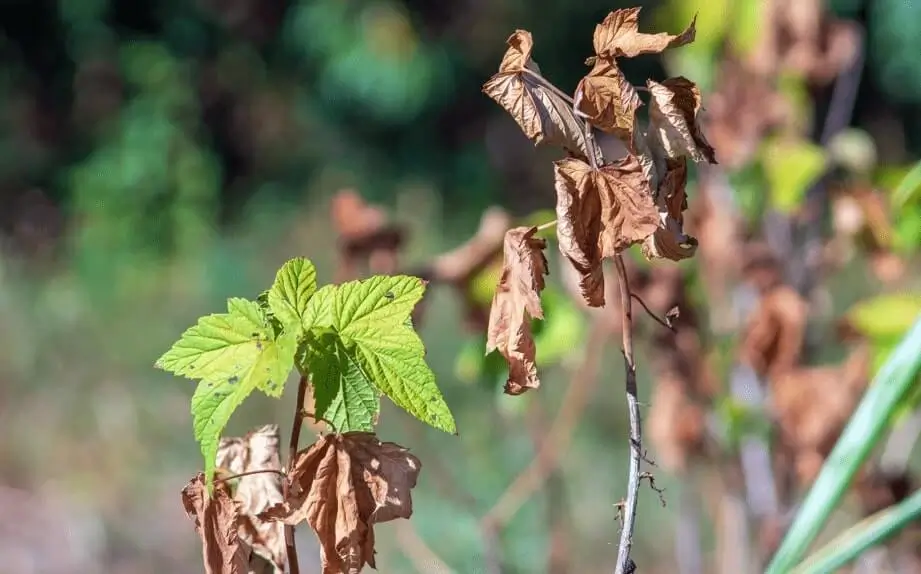
Healthy fruit trees depend on balanced nutrition to produce strong roots, lush foliage, vibrant flowers, and flavorful harvests. When nutrients are missing, fruit trees often show visible warning signs such as yellow leaves, weak growth, poor fruit production, or leaf discoloration. Learning how to identify these symptoms early can help gardeners correct nutrient problems before they seriously affect plant health and yields. This guide explains the most common signs of nutrient deficiency in fruit trees, how to diagnose the issue accurately, and the best ways to restore healthy growth in container and backyard fruit gardening.
Why Nutrient Deficiency Matters in Container Fruit Gardening
Container fruit trees behave very differently from those planted in the ground. Their root systems are confined, nutrients leach out faster, and soil biology is more limited.
Key reasons deficiencies show up faster in containers:
- Limited soil volume means nutrients are quickly depleted.
- Frequent watering washes nutrients out of pots.
- Potting mixes break down over time, reducing nutrient availability.
- An incorrect pH can block nutrient uptake even when fertilizer is present.
If deficiencies go untreated, container fruit trees may:
- Produce fewer or smaller fruits.
- Drop flowers prematurely
- Develop weak branches and poor structure.
- Become more vulnerable to pests and disease.
If you’re just getting started, learning the basics from a complete beginner guide on how to start container fruit gardening from scratch will help you avoid many of these problems early on.
Common Signs of Nutrient Deficiency in Fruit Trees (Visual Guide)
Nutrient deficiencies usually appear first on the leaves, but the location, colour, and pattern tell you which nutrient is missing.
Nitrogen Deficiency (Most Common)
Symptoms:
- Pale green or yellow leaves
- Older leaves are affected first.
- Slow growth and thin branches
Why does it happen:
Nitrogen is quickly washed out of containers, especially during frequent watering.
Nitrogen is quickly washed out of containers, especially during frequent watering.
Fix:
Apply a balanced organic fertilizer or a nitrogen-rich feed during active growth. Follow a consistent feeding schedule, as explained in this step-by-step guide on how to properly feed potted fruit trees.
Apply a balanced organic fertilizer or a nitrogen-rich feed during active growth. Follow a consistent feeding schedule, as explained in this step-by-step guide on how to properly feed potted fruit trees.
Phosphorus Deficiency
Symptoms:
- Purplish or reddish leaf tones
- Stunted growth
- Poor root development
- Delayed flowering
Why does it happen:
Cold soil, compacted roots, or very acidic/alkaline potting mix.
Cold soil, compacted roots, or very acidic/alkaline potting mix.
Fix:
Use a slow-release fertilizer containing phosphorus and ensure the soil drains well and warms up during spring.
Use a slow-release fertilizer containing phosphorus and ensure the soil drains well and warms up during spring.
Potassium Deficiency
Symptoms:
- Brown or scorched leaf edges
- Weak stems
- Poor fruit quality and size
Why does it happen:
Heavy fruiting and irregular feeding can rapidly deplete potassium.
Heavy fruiting and irregular feeding can rapidly deplete potassium.
Fix:
Add a fruit-focused fertilizer or potassium-rich organic amendments. This is especially important during flowering and fruit development.
Add a fruit-focused fertilizer or potassium-rich organic amendments. This is especially important during flowering and fruit development.
Magnesium Deficiency
Symptoms:
- Yellowing between leaf veins
- Veins remain green
- Older leaves are affected first.
Why does it happen:
Imbalanced fertilization or excessive potassium.
Imbalanced fertilization or excessive potassium.
Fix:
Apply Epsom salt solution (magnesium sulphate) as a soil drench or foliar spray.
Apply Epsom salt solution (magnesium sulphate) as a soil drench or foliar spray.
Iron Deficiency
Symptoms:
- Yellow young leaves with green veins
- New growth affected first.
Why does it happen:
High soil pH or poor root health prevents iron uptake.
High soil pH or poor root health prevents iron uptake.
Fix:
Lower the soil pH slightly and apply chelated iron. Iron issues are common when the best soil for fruit trees in pots isn’t properly balanced.
Lower the soil pH slightly and apply chelated iron. Iron issues are common when the best soil for fruit trees in pots isn’t properly balanced.
Calcium Deficiency
Symptoms:
- Deformed new leaves
- Blossom end rot on fruit
- Weak root tips
Why does it happen:
Irregular watering and poor calcium mobility.
Irregular watering and poor calcium mobility.
Fix:
Maintain consistent watering and use calcium-containing fertilizers.
Maintain consistent watering and use calcium-containing fertilizers.
Step-by-Step: How to Diagnose Nutrient Deficiency Correctly
Step 1: Identify Which Leaves Are Affected
- Old leaves first → Nitrogen, magnesium
- New leaves first → Iron, calcium
Step 2: Observe Colour and Pattern
- Uniform yellowing → Nitrogen
- Yellow between veins → Magnesium or iron
- Purple tones → Phosphorus
- Brown edges → Potassium
Step 3: Check Growing Conditions
- Overwatering?
- Poor drainage?
- Root-bound container?
- Inconsistent feeding?
Many nutrient issues are tied to general care problems. Improving overall plant health with smart container gardening tools and essentials can help prevent recurring deficiencies.
Best Practices to Prevent Nutrient Deficiencies
Use High-Quality Potting Mix
Choose a mix designed for fruit trees with:
- Good drainage
- Organic matter
- Stable structure
Avoid garden soil in containers—it compacts and limits nutrient uptake.
Feed Consistently, Not Occasionally
Instead of heavy, infrequent feeding:
- Use slow-release fertilizer
- Supplement with liquid feeds during growth.
- Adjust feeding during flowering and fruiting.
Match Container Size to Tree Growth
Undersized pots restrict roots and nutrient absorption. If your tree shows chronic deficiency symptoms, consider upsizing the container.
Monitor Soil pH
Most fruit trees prefer slightly acidic to neutral soil. An incorrect pH blocks nutrient absorption, even when nutrients are present.
Water Correctly
Overwatering leaches nutrients; underwatering prevents uptake. Learn balanced watering strategies as part of sustainable container fruit gardening practices.
Common Mistakes Beginners Make
- Feeding only when symptoms appear
- Using one fertilizer year-round
- Ignoring soil pH
- Over-fertilizing to “fix” yellow leaves
- Confusing nutrient deficiency with pests or disease
If you’re unsure, improving overall care habits outlined in container fruit gardening monthly maintenance tasks often resolves mild deficiencies naturally.
Tools, Soil, and Care Tips That Make a Difference
Helpful tools and supplies:
- Soil pH tester
- Slow-release organic fertilizer
- Liquid seaweed or compost tea
- Self-watering or well-draining containers
Using the right setup reduces stress and prevents deficiencies before they start.
FAQ: Signs of Nutrient Deficiency in Fruit Trees
How fast do nutrient deficiencies show up in containers?
Often, within weeks, especially during active growth or heavy watering periods.
Can yellow leaves recover after fertilizing?
Yes, new growth usually returns healthy, but damaged leaves may not turn green again.
Is organic fertilizer enough for container fruit trees?
Yes, if applied consistently and supplemented when needed.
Should I use foliar sprays?
They help in emergencies but should not replace proper soil nutrition.
Can too much fertilizer cause deficiency symptoms?
Yes. Excess salts can block nutrient uptake and damage roots.
Conclusion: Restore Balance and Grow Healthier Fruit Trees
Nutrient deficiencies are one of the most common—and most fixable—problems in container fruit gardening. By learning to recognize early warning signs, understanding what your fruit trees are missing, and adjusting soil, feeding, and watering practices, you can quickly bring your fruit trees back to full health.
Start by observing your leaves, correcting the root cause, and following a consistent care routine. With the right approach, your container-grown fruit trees will reward you with stronger growth, better flowering, and higher-quality harvests season after season.