
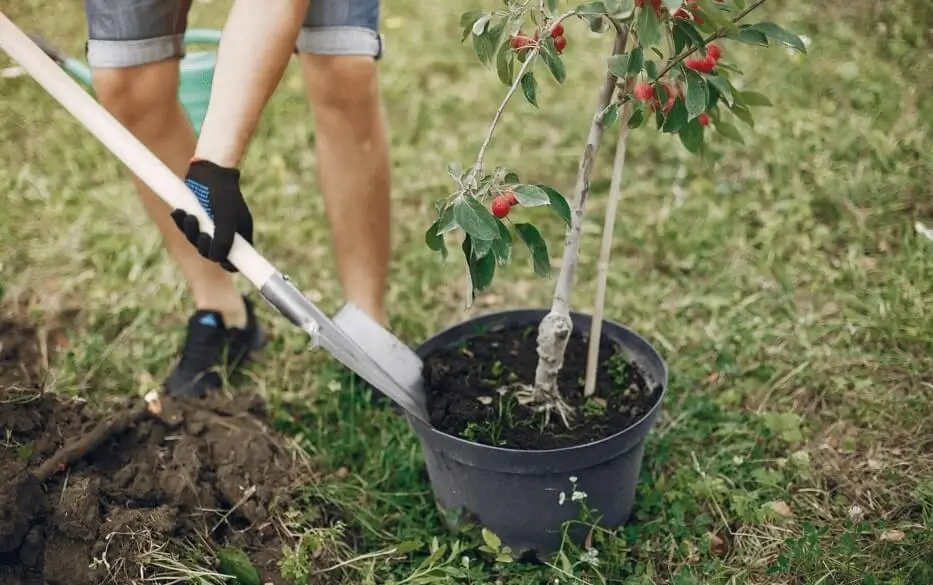
Repotting fruit trees is an essential part of container gardening that keeps trees healthy, productive, and thriving over time. As roots expand, they can become crowded inside pots, limiting water absorption, nutrient uptake, and overall growth. Learning how to repot fruit trees correctly without damaging roots or slowing growth helps prevent transplant shock and encourages stronger development. With the right timing, container size, soil mix, and gentle handling techniques, gardeners can successfully refresh their trees and maintain vigorous growth for years.
Why Repotting Matters for Container Fruit Trees
Fruit trees grown in containers live in a closed environment. Unlike trees in the ground, they can’t send roots outward to find nutrients, oxygen, and moisture. Over time, several problems develop:
- Roots circle tightly around the pot (root-bound)
- Soil compacts and loses drainage.
- Nutrients become depleted or imbalanced.
- Water runs straight through without hydrating the roots.
When this happens, trees often exhibit symptoms such as slow growth, pale leaves, flower drop, or poor fruit set. Many gardeners mistakenly increase watering or fertilizer, which makes the problem worse.
Proper repotting:
- Restores airflow and drainage
- Encourages healthy feeder root growth
- Prevents long-term stress and decline
- Supports stronger flowering and fruiting cycles
If you’ve ever dealt with yellow leaves on fruit trees in containers, repotting is often the missing solution.
When Is the Right Time to Repot a Fruit Tree?
Timing is critical. Repotting at the wrong moment can shock the tree and delay growth for months.
Best Time of Year
- Early spring (before active growth begins) is ideal.
- Late winter in mild climates also works well.
- Avoid repotting during peak flowering or fruiting.
Signs Your Fruit Tree Needs Repotting
- Roots growing out of drainage holes.
- Water pooling or draining too fast
- The tree dries out unusually quickly.
- Slowed growth despite proper care
- Pot feels unusually heavy or compacted.
If your tree shows several of these signs, repotting is no longer optional—it’s necessary.
Choosing the Right Pot Size (Bigger Isn’t Always Better)
One of the most common beginner mistakes is jumping to a pot that’s far too large.
Ideal Pot Upgrade Rule
- Increase the pot diameter by only 2–4 inches.
- Never double pot size in one step
Oversized containers hold excess moisture, leading to root rot and nutrient imbalance—especially dangerous for citrus and stone fruits.
If you’re unsure which container types work best long-term, this guide on the best containers for balcony fruit trees explains materials, sizing, and drainage considerations in detail.
How to Repot Fruit Trees Correctly: Step-by-Step Guide
Follow this process carefully to avoid root damage and transplant shock.
Step 1: Prepare Everything in Advance
Have these ready before you start:
- New container with drainage holes
- Fresh, well-draining potting mix
- Pruning shears (clean and sharp)
- Gloves and a tarp or tray
Never leave roots exposed while searching for supplies.
Step 2: Water the Tree Before Repotting
Water the tree lightly 24 hours before repotting. This:
- Reduces root breakage
- Makes soil easier to remove
- Minimizes transplant stress
Avoid repotting soil that is completely dry or soaking wet.
Step 3: Remove the Tree Gently
- Lay the pot on its side.
- Tap the sides to loosen roots.
- Slide the tree out—never pull the trunk.
If the root ball won’t budge, gently loosen edges with a knife.
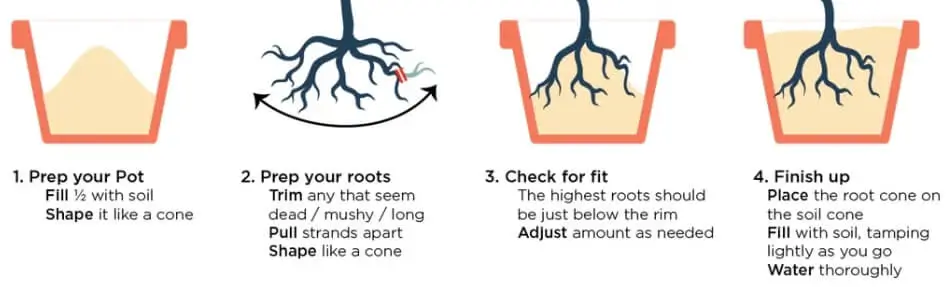
Step 4: Inspect and Prune Roots (If Needed)
Healthy roots are light-colored and flexible. You may see:
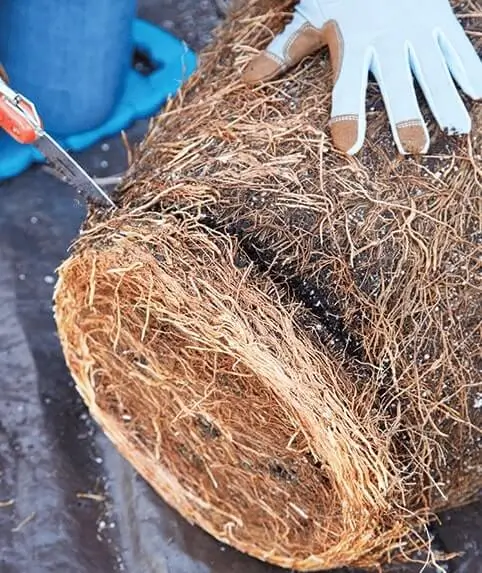
- Circling roots
- Matted or compacted sections
Trim:
- Dead, dark, or mushy roots
- Excessively circling roots (light pruning only)
Never remove more than 20–25% of the root mass.
Step 5: Refresh the Soil Properly
Old soil should be partially removed—not reused entirely. Replace with a fresh mix that:
- Drains well
- Holds moisture without compacting
- Contains slow-release nutrients
Poor drainage is a silent killer in containers. These drainage tips for container fruit trees help prevent future root problems.
Step 6: Replant at the Correct Depth
- Keep the root flare slightly above soil level.
- Do not bury the trunk.
- Gently firm soil—never compress aggressively.
Improper depth is a major cause of rot and decline.
Step 7: Water and Rest
- Water thoroughly until the excess drains out
- Place the tree in bright shade for 5–7 days.
- Avoid fertilizing for at least 2–3 weeks.
Your tree needs recovery time before resuming active growth.
Best Soil Mix for Repotting Fruit Trees in Containers
There’s no universal soil mix, but a reliable base includes:
- 50–60% high-quality potting mix
- 20–30% compost or aged organic matter
- 10–20% perlite, pumice, or bark fines
Avoid garden soil—it compacts and suffocates roots.
Soil structure directly affects watering habits. If you struggle with over- or under-watering, this watering schedule for potted fruit plants explains how soil and pot size work together.
Common Repotting Mistakes Beginners Make
Avoid these frequent errors that slow growth or kill trees:
1. Repotting Too Often
Most fruit trees need repotting every 2–3 years, not annually.
2. Using Decorative Pots Without Drainage
No drainage holes = guaranteed root rot.
3. Fertilizing Immediately After Repotting
Fresh roots burn easily. Wait until new growth appears.
4. Ignoring Root Pruning
Never correcting circling roots leads to long-term decline.
Many of these mistakes overlap with broader container fruit gardening mistakes to avoid, especially for first-time growers.
Tools and Supplies That Make Repotting Easier
You don’t need expensive tools, but the right basics matter:
- Sharp hand pruners
- Lightweight containers (especially for balconies)
- Quality potting mix
- Slow-release organic fertilizer
Heavy ceramic pots look nice but are impractical for small spaces. If weight is an issue, consider lightweight pots for apartment gardening to make future repotting manageable.
Aftercare: Helping Your Tree Recover Faster
Repotting is stressful—even when done right. Support recovery by:
- Avoiding full sun for the first week
- Monitoring moisture carefully
- Watching for leaf drop (temporary is normal)
If growth stalls after several weeks, reassess drainage, light, and watering frequency.
FAQ: Repotting Fruit Trees Correctly
How often should fruit trees be repotted?
Most container fruit trees need repotting every 2–3 years, depending on growth rate and pot size.
Can I repot a fruit tree while it has fruit?
It’s not recommended. Repotting during fruiting often leads to fruit drop and stress.
Should I prune branches when repotting?
Light pruning can help balance roots and canopy, but heavy pruning is unnecessary.
Is root pruning safe for fruit trees?
Yes, when done moderately. Root pruning, when combined with fresh soil, stimulates healthier feeder roots.
What happens if I never repot my fruit tree?
Over time, growth slows, nutrient uptake declines, and fruiting becomes unreliable or stops entirely.
Conclusion: Repot With Confidence, Grow With Success
Learning how to repot fruit trees correctly is a foundational skill for successful container gardening. When done at the right time, with the right pot and soil, repotting rejuvenates your tree rather than setting it back.
Focus on gradual increases in pot size, healthy root management, proper drainage, and gentle aftercare. These small details make the difference between a struggling tree and one that thrives year after year.
If you’re growing fruit in limited space, mastering repotting is one of the smartest investments you can make in your garden’s long-term productivity.